Planet Zoo 2 Tanzania Reserve: Full 28-Species Release List
The Planet Zoo 2 Tanzania reserve accepts 28 savanna species — the largest release list at launch. See the full roster, its two exclusives, and cohort strategy.
Quick answer: The Tanzania reserve is the biggest Wildlife Reserve in Planet Zoo 2 at launch, accepting 28 releasable species of African grassland animals — everything the Great Rift Valley takes, except the Meerkat, plus the Common Ostrich and Thomson’s Gazelle as its two exclusives. If you have built a savanna breeding program for Career mode, almost every animal in your zoo already qualifies for release here.
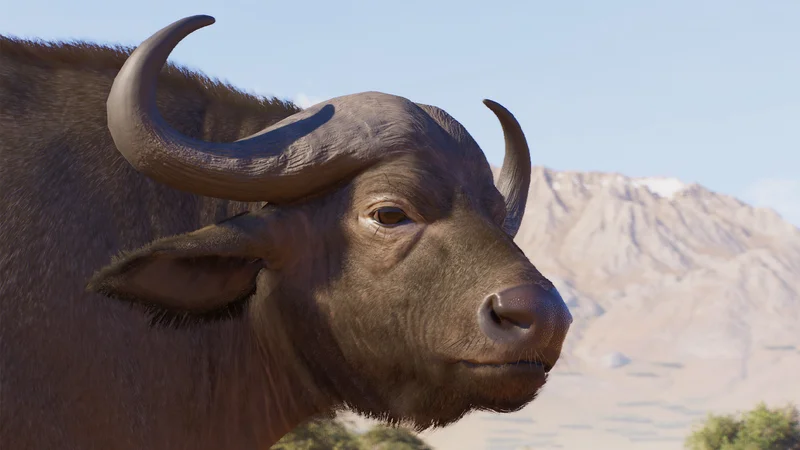
What Is the Tanzania Reserve in Planet Zoo 2?
Tanzania is one of six Wildlife Reserves, located in Africa with a Grassland/Savanna biome — the same biome class as the Great Rift Valley, but a different in-game landscape modeled on the Serengeti ecosystem rather than the rift valley itself. It runs the standard reserve loop: you breed animals in your zoo, assemble genetically viable release cohorts, transfer them to the reserve, reintroduce them into wild ecosystem zones, and monitor the recovering population with research outposts, camera traps, and acoustic monitors. Successful releases pay Conservation Credits toward zoo technology, rare genetic lines, and your global conservation ranking.
What defines Tanzania is scale. Its 28-species pool is the largest of any reserve at launch, which makes it the game’s best credit engine — and the natural destination for a zoo that has outgrown its first Career scenarios.
Which Animals Can You Release in Tanzania?
The complete launch roster, grouped by class:
| Group | Species | Count |
|---|---|---|
| Mammals | Aardvark, African Leopard, African Savannah Elephant, African Wild Dog, Black Rhinoceros, Black Wildebeest, Blue Wildebeest, Cape Buffalo, Common Hippopotamus, Common Ostrich, Common Warthog, Gemsbok, Lion, Masai Giraffe, Nyala, Plains Zebra, Reticulated Giraffe, Sable Antelope, Spotted Hyena, Springbok, Thomson’s Gazelle | 21 |
| Birds | Greater Flamingo, Secretarybird, Shoebill, White-Backed Vulture | 4 |
| Reptiles | Nile Monitor | 1 |
| Fish | African Tigerfish, Blunthead Cichlid | 2 |
| Total | 28 |
Two things stand out. First, the roster reads like a living food web rather than a checklist: grazers from Plains Zebra and wildebeest up through Lions, Leopards, Hyenas, and African Wild Dogs, with scavengers and wetland species filling the edges. Second, the fish entries mean Tanzania pulls from the new aquatic exhibit system too — your release cohorts are not mammal-only. Every name here is cross-checked against the complete animal roster.
How Does Tanzania Compare to the Great Rift Valley?
The two African reserves overlap by 26 species, so veterans of the Great Rift Valley start with a nearly finished pipeline. The differences:
- Tanzania exclusives: Common Ostrich, Thomson’s Gazelle. Both are Serengeti signature species — Thomson’s Gazelle in particular is the classic Serengeti grazer, and neither appears in the rift valley reserve.
- Great Rift Valley exclusive: Meerkat. The only species that will not transfer east.
- Net gain: Tanzania effectively converts “27 minus one” into 28, rewarding players who keep their savanna breeding lines alive after Career mode moves on.
In practice, plan your African program around Tanzania’s list from the start; the Great Rift Valley then becomes a subset you clear almost for free.
Which Releases Should You Prioritize First?
Tanzania’s size lets you run a staged rollout that mirrors how the real Serengeti works:
- Start the migration engine. Zebras, Blue and Black Wildebeest, Thomson’s Gazelle, and Springbok breed readily and form the prey base — exactly the high-fecundity generalists that fund everything else.
- Add the mid-web. Warthogs, Nyala, Gemsbok, Sable Antelope, Ostrich, and the two giraffe species broaden the herbivore layer; Masai Giraffe cohorts are prestige releases with real credit value.
- Release predators into an established prey base. Once hoofed game is thriving, African Wild Dogs, African Leopards, Hyenas, and Lions complete the trophic ladder.
- Finish with megafauna and wetland specialists. Black Rhinoceros, Common Hippopotamus, Cape Buffalo, and the elephants are slow, long-term prestige programs; the flamingos, Secretarybird, Shoebill, vultures, and Nile Monitor round out the web.
Keep welfare high throughout — the animal welfare guide matters here because stressed breeders produce the weak offspring that fail genetic viability checks.
What Real-World Ecosystem Is Tanzania Modeled On?
The reserve is a playable version of the Serengeti–Ngorongoro system. The roster is the giveaway: the Blue Wildebeest–Zebra–Thomson’s Gazelle grazer guild is the exact community that drives the real great migration, and the predator set (Lion, Leopard, Spotted Hyena, African Wild Dog) matches the Serengeti’s carnivore guild. Tanzania is also one of Africa’s genuine conservation success regions — elephant and rhino strongholds like the Serengeti and Ngorongoro exist precisely because of the ranger-and-research infrastructure the game abstracts into outposts and camera traps. Releasing a Black Rhino cohort here is the game compressing decades of real anti-poaching work into one satisfying sequence.
How Do You Unlock Tanzania and Release Animals?
Reserve access works the same as the other five locations. In Career mode, new reserves open as you collect badges and advance through the scenario structure; in Franchise, you open the Wildlife Reserves tab and spend 100 Conservation Credits to acquire the reserve permit — the currency mechanics are covered in our Conservation Credits guide. Once the permit is yours, eligible animals are sent to storage, grouped into a release cohort, and checked for group requirements — headcount, male-to-female balance, and health all need to be in the white before the group can travel. At the reserve, each species needs a suitably sized ecosystem zone with the right features before you can complete the release.
Tanzania Reserve FAQ
Is Tanzania the largest reserve in Planet Zoo 2? Yes — 28 releasable species, one more than the Great Rift Valley’s 27 and well ahead of the European reserves.
Which animals are unique to Tanzania? The Common Ostrich and Thomson’s Gazelle; the Meerkat is the only Great Rift Valley species that cannot be released here.
Do I need aquarium animals for Tanzania? Yes — the African Tigerfish and Blunthead Cichlid are on the roster, so full completion requires aquatic breeding programs in your zoo.
Tanzania is the reserve where a mature savanna zoo cashes in: 28 species, two exclusives, and the deepest credit pipeline in the game. For the rest of the system, see the complete reserves guide, or compare the Asian take on conservation in the Sumatra reserve.
Related Articles
animals
Planet Zoo 2 Clown Anemonefish Guide: Anemone Symbiosis and Reef Tank Care
Planet Zoo 2 clownfish guide: pair them with a host sea anemone, keep 1 to 5 fish in 50 m² of saltwater at 24-28°C, and breed a dominant pair the easy way.
animals
Planet Zoo 2 Hammerhead Shark Guide: The Great Hammerhead's Sixth Sense
Planet Zoo 2 hammerhead shark guide: the Deluxe great hammerhead needs 960 m², Grade 3 barriers and a solitary life as a Critically Endangered giant.
animals
Planet Zoo 2 Leopard Shark Guide: Deep Dives and Nocturnal Life
Planet Zoo 2 leopard shark guide: the zebra shark dives to 200 ft, rests by buccal pumping, lays huge eggs and needs just 36 m² and a Grade 2 barrier.
Was this helpful?
Thanks for the feedback!